






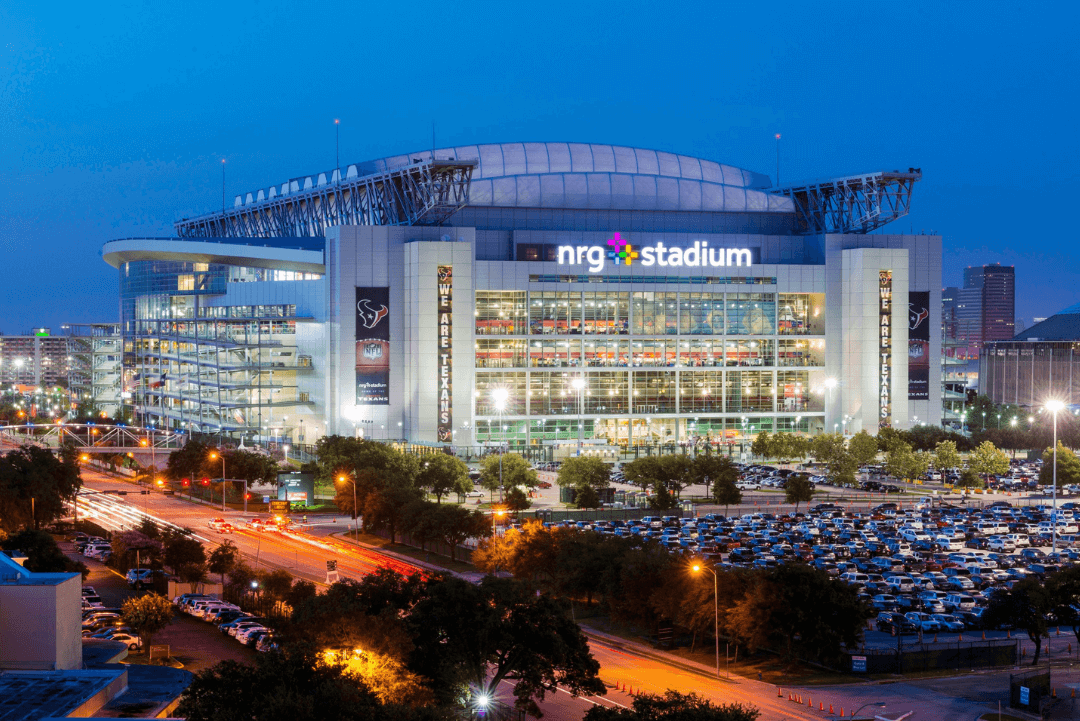
Look, nobody wants to spend their World Cup experience stressed about how to get to the stadium, sitting in traffic for two hours, or dropping $100 on surge-priced rideshares. But here’s the thing about NRG Stadium—it’s not exactly in the middle of downtown Houston. It’s about 8 miles south of the city center, which means you need a solid game plan for getting there and back.
The good news? Houston has actually been preparing for this moment. The Metro Rail has a direct line to the stadium, rideshare pickup zones are organized, and there are multiple options depending on your budget and where you’re staying. The bad news? If you don’t plan ahead, you could end up in the same nightmare traffic as 70,000 other people trying to leave the stadium at the same time.
This guide breaks down every single way to get to NRG Stadium, what each option actually costs, how long it takes, and the pros and cons you need to know. Whether you’re pinching pennies or want the easiest possible experience, we’ve got you.

The Metro Rail: Your Secret Weapon
Let’s start with the option that most tourists don’t know about but should absolutely use: Houston’s Metro Rail. Specifically, the Red Line takes you directly from downtown Houston to NRG Stadium, and it’s honestly the move for match days.
The Red Line runs from the Northline Transit Center all the way down to the NRG Stadium/Fannin South Station. If you’re staying downtown (which many World Cup visitors will be), you can hop on at stations like Theater District, Main Street Square, or Preston, and you’ll be at the stadium in about 25-30 minutes. No traffic, no parking stress, no surge pricing. Just a smooth ride on the train.
Here’s what makes the Metro Rail clutch: tickets are only $3 for a round trip (technically it’s $1.25 per ride, but you’ll need two rides—there and back). Compare that to a $40+ Uber each way or $50+ for parking, and you’re already saving serious money. Plus, Metro usually runs extra trains on event days, so frequency increases. You might wait 5-10 minutes between trains instead of the usual 12-15 minutes.
The vibes on the Metro Rail during match days are also unmatched. Everyone’s wearing their team colors, there’s excited energy, people are chanting and singing, and you’re part of the whole World Cup experience before you even get to the stadium. It feels communal in a way that sitting in an Uber doesn’t.
Now, let’s keep it real about some downsides. The Metro Rail can get PACKED on game days. Like, Tokyo subway levels of crowded. If you’re claustrophobic or don’t like being squeezed against strangers, this might not be your favorite option. Also, the train might smell weird sometimes (it’s public transit, what did you expect?), and you’re standing for most of the ride if you get on at a busy station.
Pro tip: Board the train at an earlier stop rather than waiting until Main Street Square downtown. The train fills up as it goes south, so getting on at Theater District or even further north means you’re more likely to get a seat. Also, buy your Metro Q Card in advance (you can get them at CVS, Walgreens, or any Metro store) so you’re not fumbling with the ticket machine when the train’s about to leave.
Rideshare: Uber and Lyft Reality Check
Okay, so rideshare is probably what you’re most familiar with, and yes, it works for getting to NRG Stadium. But you need to understand what you’re getting into, especially on match days when demand is insane.
From downtown Houston to NRG Stadium, a normal Uber or Lyft ride costs about $15-25 without surge pricing. That’s not bad if you’re splitting it with friends. But here’s where it gets messy: on match days, especially high-profile games, surge pricing can 2x or even 3x that cost. Suddenly you’re looking at $40-60 each way, and that adds up fast.
The bigger issue is timing. If you’re trying to get an Uber right before kickoff, you’re competing with thousands of other people doing the same thing. You might wait 20-30 minutes for a car, or see estimated wait times that make you panic about missing the start of the match. It’s stressful, and stress is not the vibe when you’re trying to enjoy World Cup.
Where rideshare makes sense: If you’re staying somewhere that’s not near the Metro Rail (like the Galleria area, Memorial, or the Heights), rideshare might be your most realistic option. Also, if you’re traveling with a group of 3-4 people, splitting the cost makes it more reasonable. And if you’re willing to leave the stadium early (like right when the final whistle blows) or wait until the surge dies down (30-45 minutes after the match ends), you can save money.
Rideshare strategy for match days: Order your Uber/Lyft at least 60-90 minutes before kickoff. Yes, really. This gets you to the stadium with time to spare, avoids the worst of the surge pricing, and lets you soak up the pre-game atmosphere. For leaving, either commit to staying late and exploring the stadium area until the surge dies down, or mentally accept that you’re paying premium prices for convenience.
One sneaky move: Some hotels in the Medical Center area (close to NRG Stadium) have bars or restaurants. Order an Uber to one of those spots, hang out for a drink, then walk to the stadium. This can sometimes avoid the worst of the drop-off traffic and surge pricing.
Parking at NRG Stadium: What You Need to Know
If you’re renting a car or have access to one, parking at NRG Stadium is definitely an option. But parking for World Cup matches is going to be way different than parking for a regular Texans game or rodeo event.
First, let’s talk cost. Regular event parking at NRG usually runs $20-40 depending on how close you are to the stadium. For World Cup matches, expect those prices to at least double. Premium spots close to entrances could be $75-100 or more. And that’s if you buy parking in advance—day-of parking (if it’s even available) will be even more expensive.
NRG Stadium has multiple parking lots surrounding it, color-coded for organization. The closer lots (Blue and Red) fill up first and cost more. The further lots (Yellow and Green) are cheaper but require a longer walk. There’s also parking at nearby Reliant Center and Astrodome area (yes, the Astrodome is still there, just sitting empty being iconic).
Here’s the real talk about parking: getting IN to the lot is usually fine if you arrive 2-3 hours early. It’s getting OUT that’s a nightmare. After the match ends, you’re sitting in your car in a sea of other cars, crawling through parking lots, waiting to merge onto the highway. It can easily take 45-60 minutes just to exit the parking area, and that’s before you even hit the actual roads.
If you’re going to park, here’s the strategy: Buy parking passes in advance online (they’ll be cheaper and guaranteed), arrive at least 2 hours before kickoff to get a decent spot and avoid entry traffic, and consider tailgating before the match to make the early arrival worth it. For leaving, either sprint to your car right when the match ends (you’ll sacrifice watching the full post-game celebration), or chill at the stadium for 45 minutes to an hour, let traffic die down, then leave.
Some people swear by parking at nearby businesses or residential areas and walking to the stadium. This can work for regular events but probably won’t for World Cup—businesses will likely charge for parking or tow, and neighborhoods will have permit-only restrictions. Don’t risk it unless you’re absolutely sure it’s allowed.
Hotel Shuttles: The Underrated Option
Here’s something many tourists don’t think about: if you’re staying at a hotel anywhere near the Medical Center, Texas Medical Center, or the Museum District, check if your hotel offers shuttle service to NRG Stadium on event days.
A lot of hotels in the area have figured out that their guests want to get to NRG for events, so they run free or cheap shuttle services. Some require advance booking, some are first-come first-served, but if you can snag a spot, it’s one of the easiest options. You’re not dealing with rideshare surge pricing, you’re not navigating public transit, and you’re not sitting in parking lot hell.
The shuttle drops you off at designated areas, you go watch the match, then you meet back at the pickup point after the game. It’s organized, it’s usually free (maybe a tip for the driver), and you’re traveling with other people from your hotel so there’s a built-in safety net.
The catch? Availability is limited, and you need to plan ahead. Ask your hotel about shuttle service as soon as you book your room. Some hotels will have signup sheets or reservation systems for big events. Don’t assume the shuttle exists just because the hotel is close to the stadium—confirm everything before match day.
If your hotel doesn’t have a shuttle but you really want that experience, check if any hotels near you offer shuttles that non-guests can pay to use. It’s worth a phone call or two.
Walking and Biking: For the Bold
Look, we’re in Texas. It’s hot, it’s humid, and walking long distances in June is not for the faint of heart. But if you’re staying in the Medical Center area (basically the neighborhoods directly north of NRG Stadium), walking or biking to the stadium is technically possible.
The Medical Center is about a 20-30 minute walk from NRG Stadium, depending on exactly where you’re starting from. Is it pleasant? In June in Houston? Not particularly. You’re going to sweat through your jersey before you even get to your seat. But some people genuinely enjoy the walk as part of the experience, and it means you completely avoid any transportation hassles.
If you’re going to walk, wear comfortable shoes, bring water, use sunscreen, and give yourself plenty of time. The walk from Medical Center is mostly on sidewalks along Fannin Street or other main roads, so it’s not like you’re trekking through wilderness. But the heat is real, and you don’t want to show up to the match already exhausted.
Biking is a bit more interesting. Houston is getting better with bike lanes, and there are some routes from downtown or nearby neighborhoods to NRG Stadium